Blog 2026
Deep Learning Speech Enhancement
A blog series on a denoising autoencoder for speech, from theory to deployment. Improves on reference methods by 69% in PESQ and 9% in STOI.
- Autoencoders
- Signal Processing
- PyTorch
- Deployment

Joining EvoLogics · Nov 2026
Learning systems for the untidy real world.
I work on reinforcement learning, autonomous navigation, and signal processing, with an eye on the constraints that make research useful beyond a clean benchmark.
My PhD examined reinforcement learning for autonomous vessels on inland waterways, where currents shift, data is noisy, and a controller must contend with traffic rules, shallow banks, and real operating constraints.
I also spent nine months as the founding backend engineer at a mobility startup, building systems for market intelligence and early product development.
From November 2026, I will work as an AI Software Engineer at EvoLogics GmbH.
My notes follow the questions that keep returning: autonomous vessels, signal processing, Fourier transforms, ML deployment, and the occasional useful detour.
Autonomous systems
Decision-making, planning, and control for inland-waterway vessels.
Reinforcement learning
Robust policies, simulation, evaluation, and real-world data.
Signal processing & deep learning
Denoising, representation learning, and PyTorch workflows.
Research software
Python, data pipelines, deployment, and open-source tooling.
A blog series on a denoising autoencoder for speech, from theory to deployment. Improves on reference methods by 69% in PESQ and 9% in STOI.
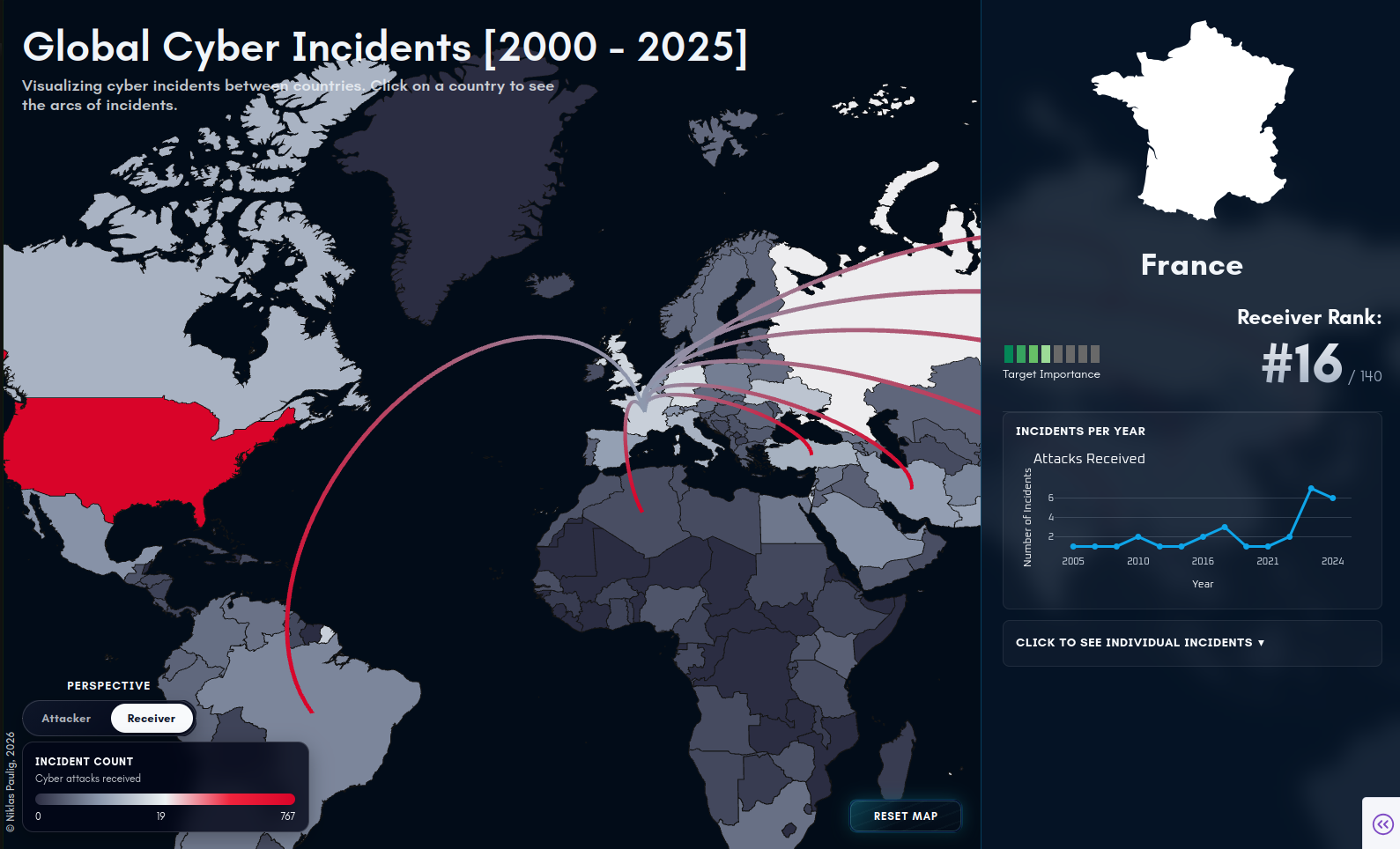
An interactive Plotly Dash dashboard on the EuRepoC database: who targets whom, country-level analytics and how the threat landscape has evolved.
Built the technical foundation of a mobility startup from zero to seed, including an automated market-intelligence pipeline for cost forecasts and strategy.
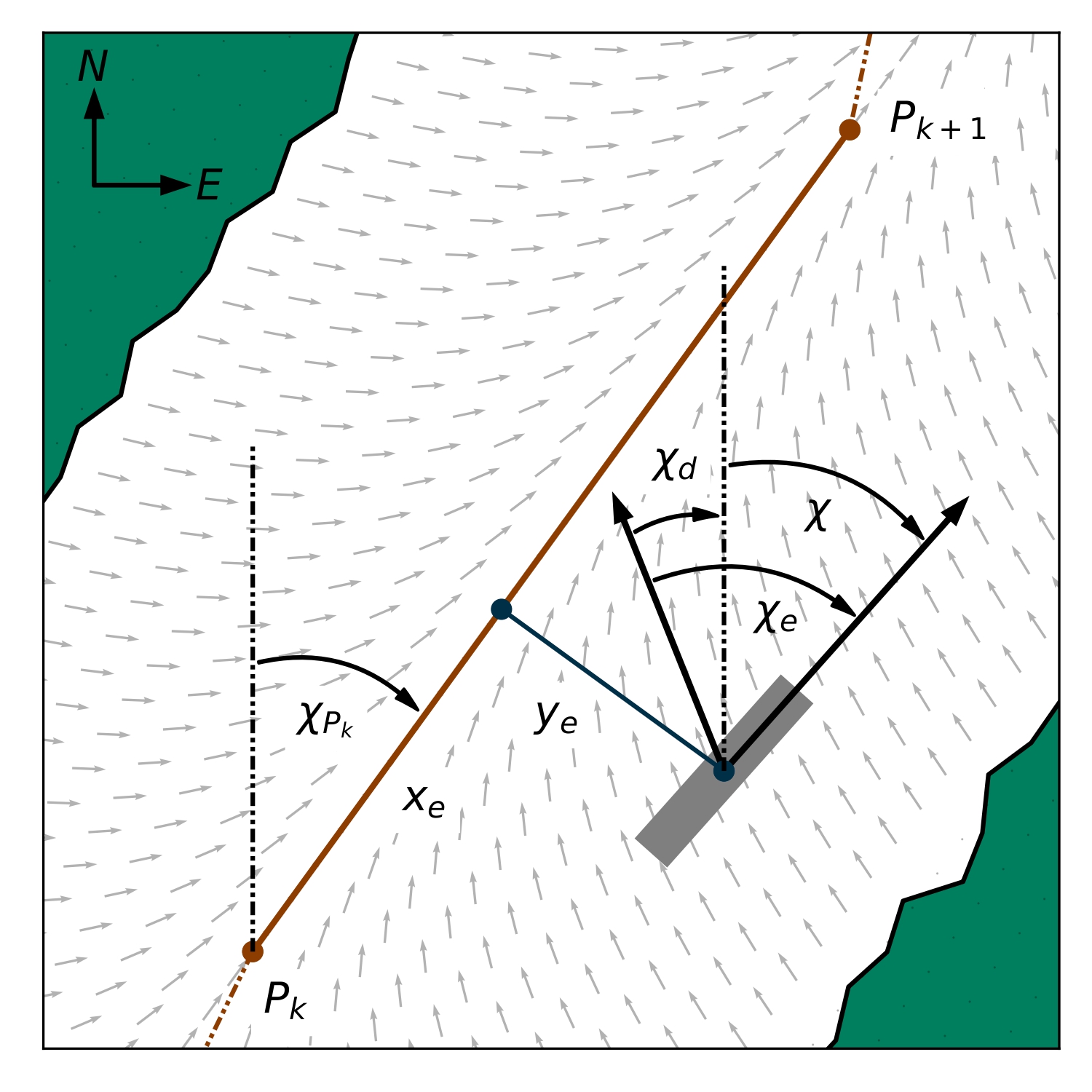
Separate DRL agents for high-level path planning under traffic rules and low-level path following. Beats APF and PID baselines by 65% in obstacle avoidance.
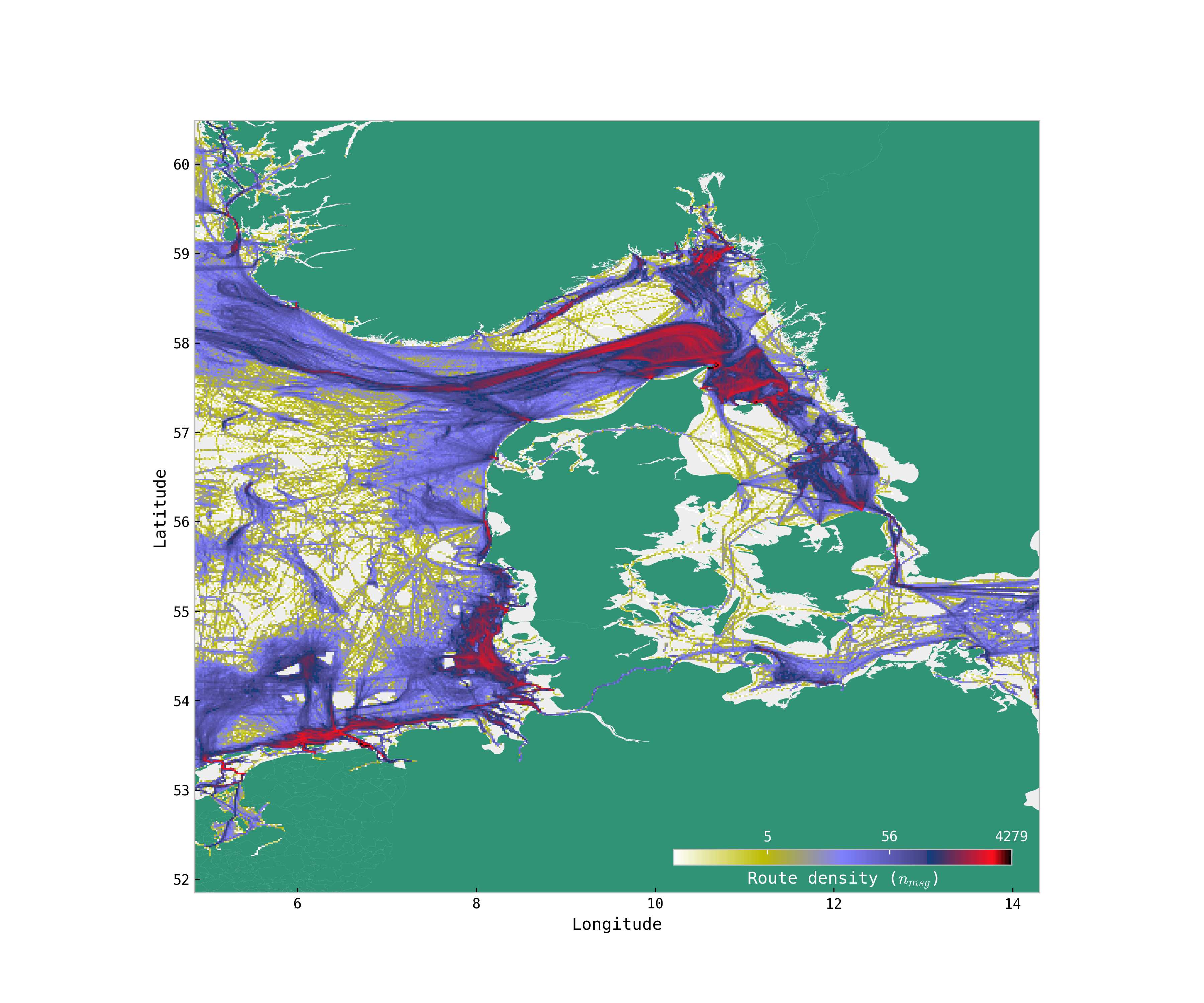
An open-source Python framework that extracts long, clean ship trajectories from noisy AIS big data using maneuverability-dependent quantile filtering.
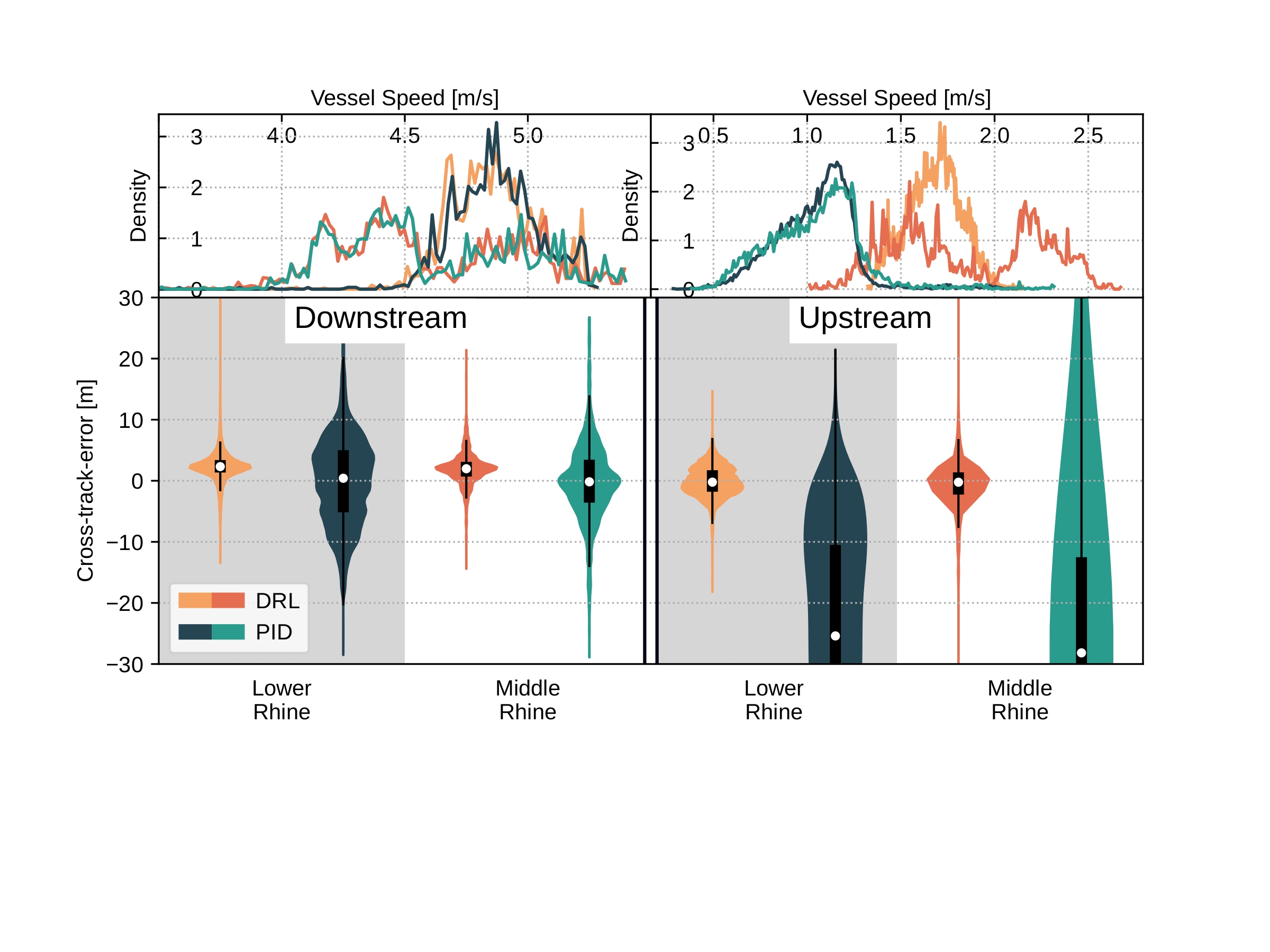
A bootstrapped DQN controller for restricted inland waterways such as the Rhine, validated on real-world data and more adaptable than vessel-specific PID control.
The quickest way to reach me is email.